

Bed Bugs on the Move: How Houston Travelers Can Stay Protected
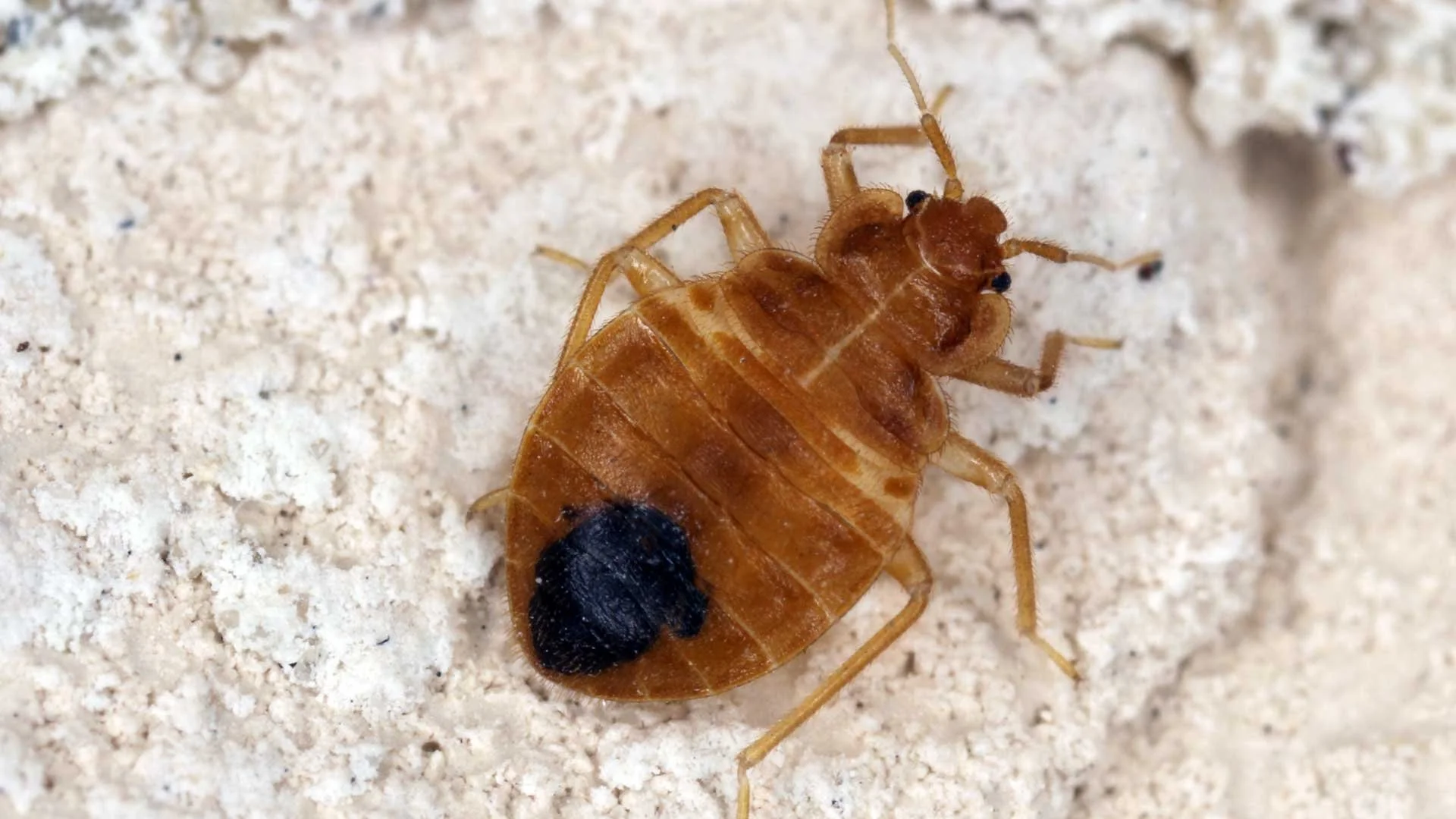
Bed bugs have mastered the art of hitchhiking, using modern travel to spread. Whether via hotels, rentals, airports, or rideshares, our movement helps them travel.
Houston is a major travel hub with nonstop traffic through airports, hotels, events, and shipping routes. The good news: a little awareness goes a long way.
Why bed bugs love travelers
Bed bugs don’t fly or jump. They don’t live on people like lice. What they do is hide in the seams, cracks, and folds of the stuff we carry:
Suitcases and duffel bags
Jackets and folded clothes
Backpacks, purses, laptop bags
Car seats and upholstery
Hotel furniture, headboards, and baseboards
How bed bugs move around Houston
Houston’s travel volume and density make it easy for bed bugs to spread. Clean or messy, luxury or budget, they can appear anywhere. Common ways bed bugs spread locally:
1) Hotels and short-term rentals: Bed bugs move between guests, housekeeping carts, and neighboring rooms.
2) Apartment buildings: In multi-family housing, bed bugs can travel through gaps around pipes, outlets, and baseboards.
3) Used furniture/secondhand shopping: That “great deal” sofa can come with a hidden cost. Bed bugs love upholstered furniture and wooden joints.
4) Rideshares and travel upholstery
Travel checklist: how to avoid bringing bed bugs home
You don’t need to stop traveling, just travel smarter.
Before you put your bag down at a hotel or rental:
Keep luggage in the bathroom (tile is less bed bug–friendly) while you check the room.
Pull back the sheets and inspect the mattress seams and corners.
Check the headboard area if accessible, plus the bed frame joints.
Look for: small reddish-brown bugs (apple seed–sized adults), tiny pale bugs (nymphs), dark ink-like spots (fecal marks), shed skins.
If you see anything suspicious, request a different room—not adjacent.
While you’re staying:
Use the luggage rack, and keep it away from the bed and walls.
Don’t store clothes in hotel drawers. Keep items sealed in packing cubes or bags.
Keep dirty laundry in a tied bag.
When your trip ends, your actions at home determine if bed bugs stay behind—here’s how to finish strong.
Unpack in the garage or laundry room if possible.
Dry all clothes on high heat for 30–45 minutes if possible. Heat is very effective for killing bed bugs.
Vacuum suitcases thoroughly and store them in a sealed bag/bin.
Take action after every trip to keep your home safe. Place your luggage in a hot car if you’re concerned. Houston heat can help, but temperatures vary and may not reliably kill all life stages. Whenever in doubt, act promptly to prevent bed bug problems from spreading.
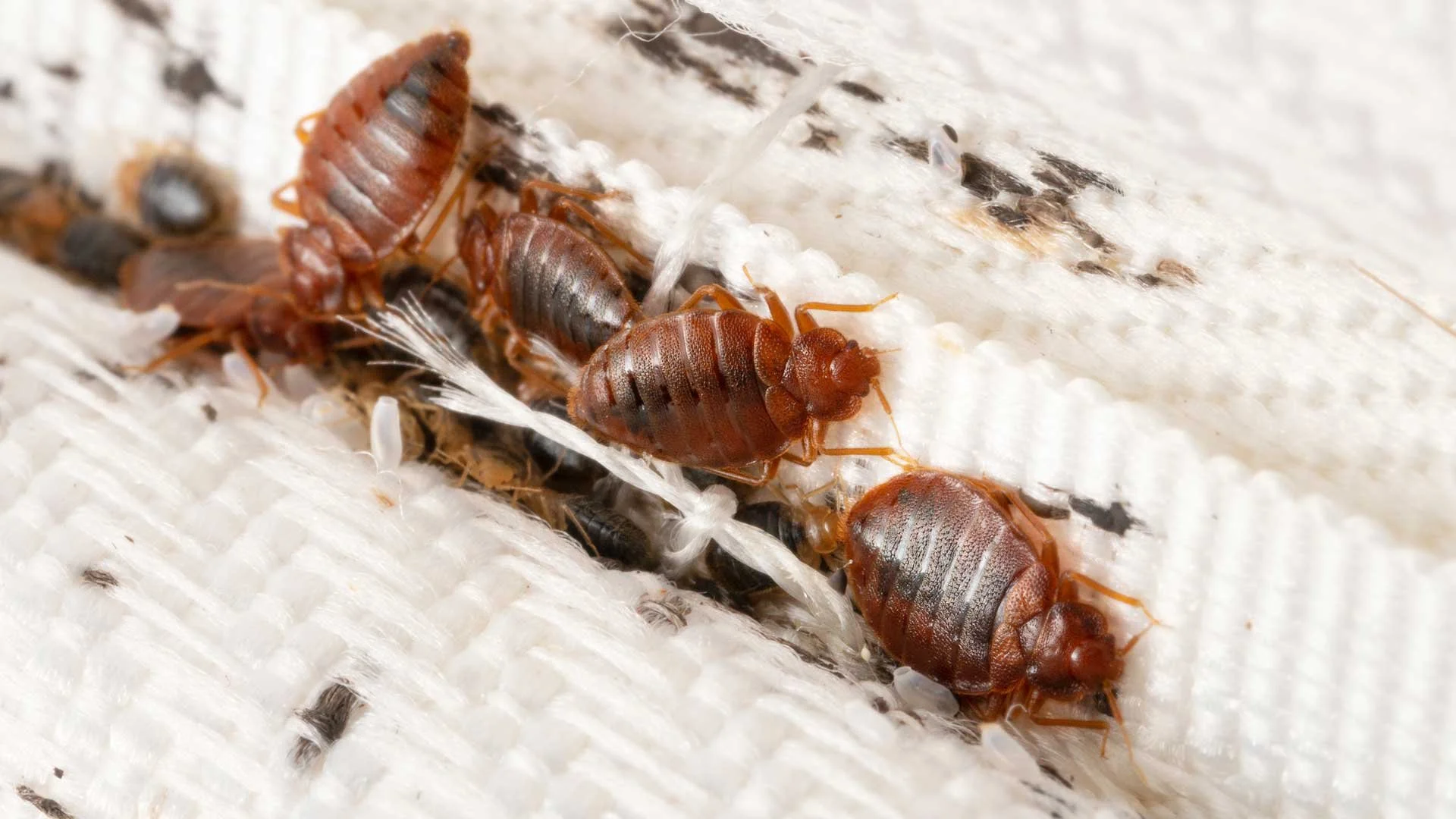
Signs you may have bed bugs
A few bites aren’t proof of bed bugs, but when and where they show up can be a clue.
Common signs:
Bites in clusters or lines, especially after sleeping
Small dark spots on sheets or mattress seams
A musty “sweet” odor in heavier infestations
Live bugs in bed seams, headboards, or baseboards
What professional bed bug treatment in Houston typically includes
A reputable bed bug pro will usually offer:
Detailed inspection (beds, furniture, baseboards, outlets, closets)
A treatment plan based on the infestation level and layout
Education on preparation and prevention
Follow-ups (because eggs can hatch after initial treatment)
Treatment approaches may include heat, targeted residual products, dusts in wall voids, and monitoring traps. Don’t wait if you suspect bed bugs: contact us and protect your home now.
